Owning a dog in the UK, explained
Dog Lead Laws and PSPOs: When Your Dog Must Be on a Lead
8 November 2026
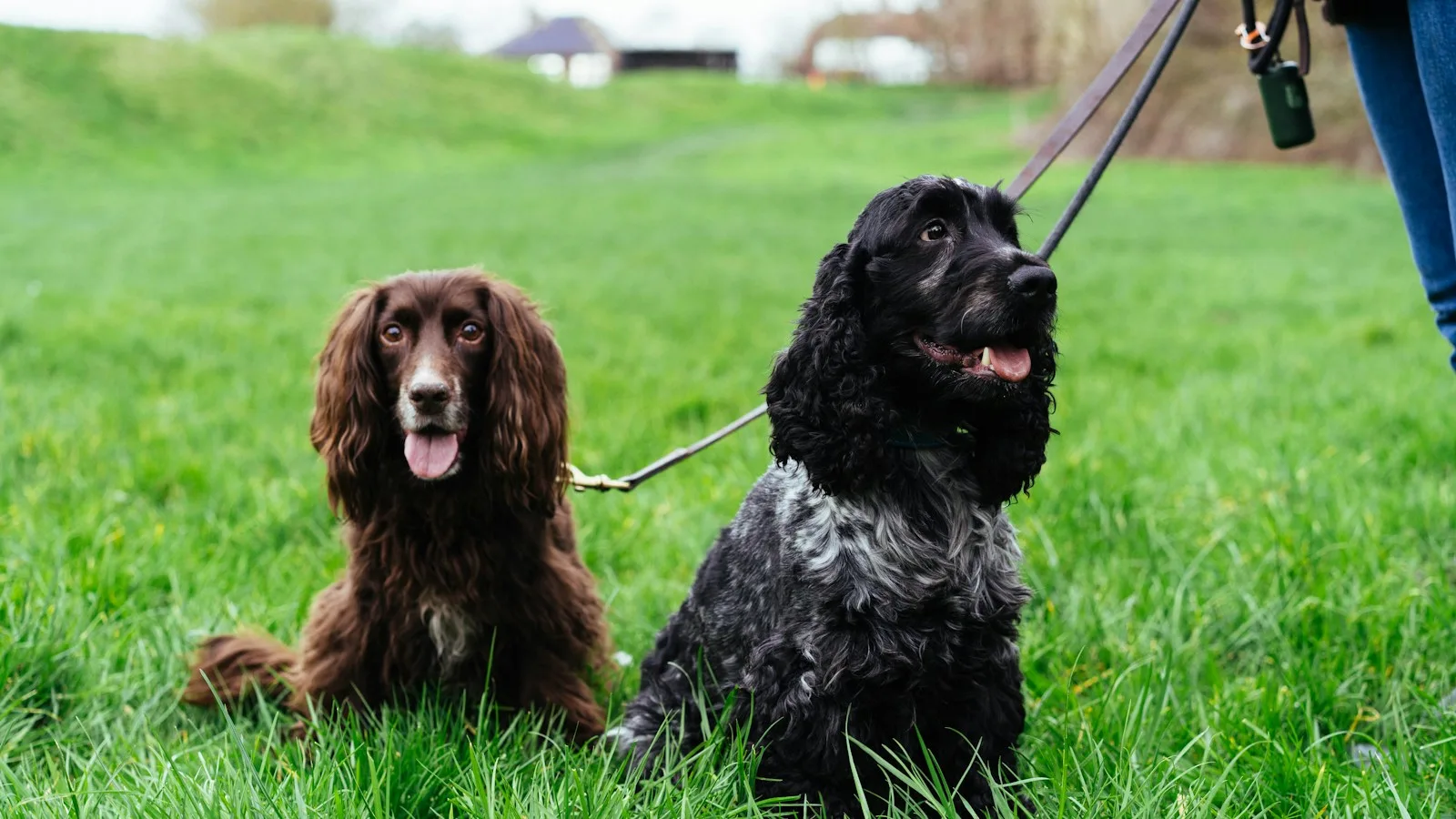
Whether your dog has to be on a lead depends on where you are. In some parks and streets a council order applies. On some countryside land the law sets lead rules, including for part of the year. And wherever you are, it's against the law to let your dog be dangerously out of control. Here's what GOV.UK and the Countryside Code say.
Quick answer: Your dog must be on a lead where a Public Spaces Protection Order (PSPO) says so, or if a police officer, police community support officer or council officer tells you to under a PSPO. On Open Access land and at the coast, your dog must be on a lead around livestock, and on Open Access land between 1 March and 31 July even if there's no livestock. Ignoring a PSPO can mean a £100 fixed penalty notice, or a fine of up to £1,000 if it goes to court.
Key Takeaways
PSPOs are local orders covering some public areas in England and Wales. They used to be called Dog Control Orders.
A PSPO can require a lead, keep dogs out of certain places, or limit how many dogs one person walks.
Ignoring a PSPO can mean a £100 fixed penalty notice, or up to £1,000 if it goes to court.
Councils must let the public know where PSPOs apply, for example with signs.
The Countryside Code explains the legal lead rules on Open Access land and at the coast.
What a PSPO is
GOV.UK says some public areas in England and Wales are covered by Public Spaces Protection Orders, or PSPOs. They were previously called Dog Control Orders. Each one is local, so the rules in one park or street may not be the same as in the next.
What a PSPO can ask you to do
The GOV.UK page on PSPOs says that in a public area with one, you may have to:
keep your dog on a lead
put your dog on a lead if told to by a police officer, police community support officer or someone from the council
stop your dog going to certain places, like farmland or parts of a park
limit the number of dogs you have with you, which applies to professional dog walkers too
clear up after your dog
carry a poop scoop and disposable bags
The fines for ignoring a PSPO
GOV.UK says that if you ignore a PSPO you can be fined £100 on the spot, which is called a Fixed Penalty Notice. If it goes to court, the fine can be up to £1,000.
How to find out where PSPOs apply
Local councils must let the public know where PSPOs are in place. GOV.UK gives the example that if dogs aren't allowed in a park, there must be signs saying so.
If a council plans a new PSPO, it must put up a notice and publish it on its website. The notice must say where the new order will apply, and whether there's a map and where you can see it. Your council's website and the signs at park entrances are the places to check.
Whatever the local rules, GOV.UK says your dog must wear a collar and tag with your name and address in public. Our guide to dog microchipping law explains how that sits alongside the microchip rules.
Lead rules in the countryside
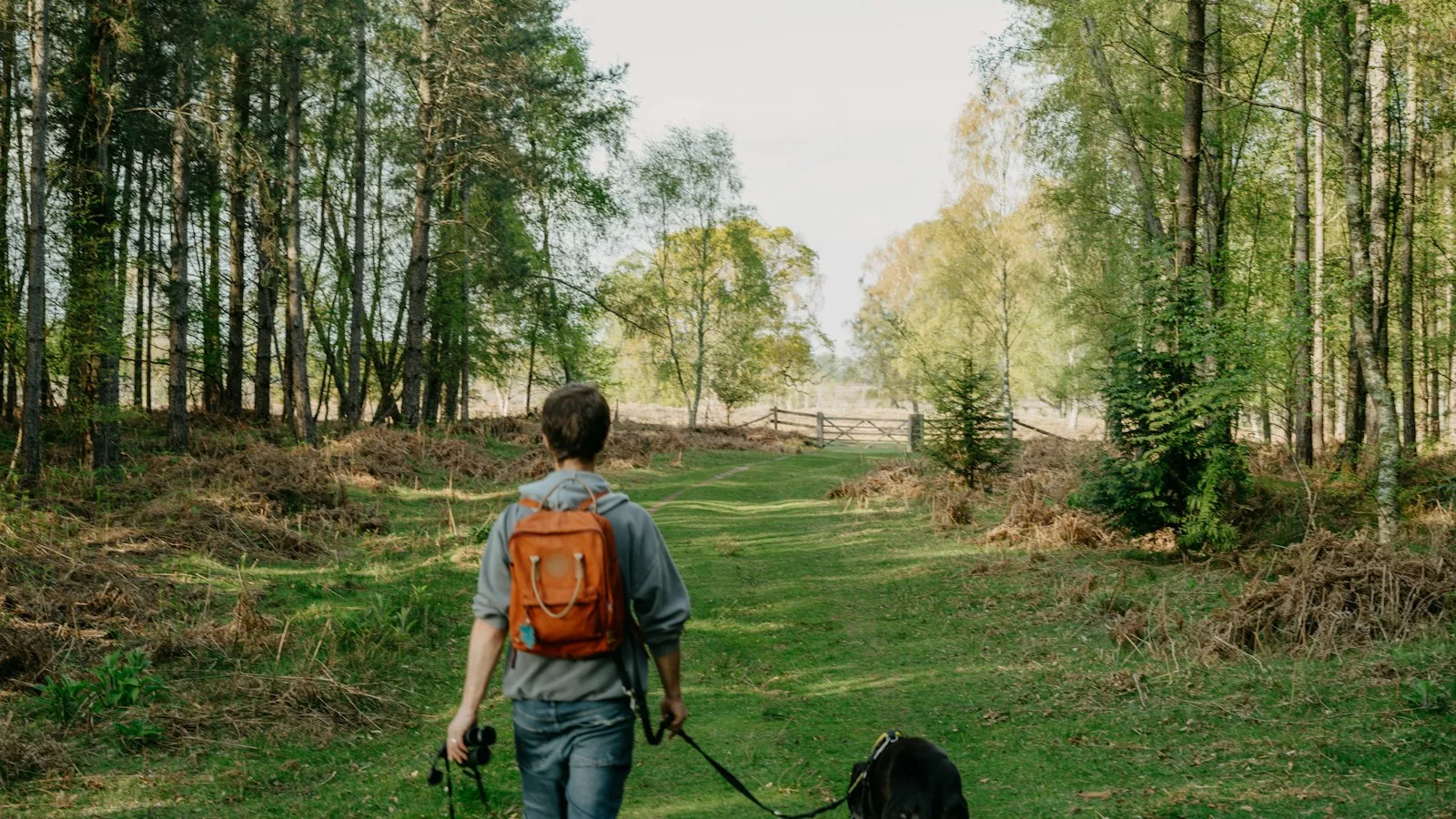
The Countryside Code asks you to keep your dog under effective control, which means keeping it on a lead or in sight, being confident it will come back when called, and making sure it doesn't stray from the path or the area where you have a right of access.
Some of its lead rules are legal requirements. On Open Access land and at the coast, you must put your dog on a lead around livestock. Between 1 March and 31 July, your dog must be on a lead on Open Access land even if there's no livestock there.
The Code also says to check local signs, because there are places where you must keep your dog on a lead for all or part of the year, and some areas ban dogs completely, except assistance dogs. Our guide to dogs and livestock covers what to do around sheep, cattle and horses.
Control matters everywhere, lead or not
GOV.UK says it's against the law to let a dog be dangerously out of control anywhere, including in a public place, in a private place such as a neighbour's garden, and in the owner's home. That law applies to all dogs.
A dog is considered dangerously out of control if it injures someone or makes someone worried that it might injure them. A court could also decide a dog is dangerously out of control if it attacks someone's animal, or if the owner of an animal thinks they could be injured trying to stop the attack.
The penalty can be an unlimited fine, up to 6 months in prison, or both. GOV.UK adds that you may not be allowed to own a dog in the future, and your dog may be destroyed. The GOV.UK guide to controlling your dog in public explains the longer sentences for injuries.
Clearing up after your dog
A PSPO may require you to clear up after your dog and carry bags. The Countryside Code says to always clean up your dog's poo, because it can cause illness in people, livestock and wildlife. Never leave bags lying around, even if you mean to pick them up later. If you can't find a public bin, take it home.
You can report dog fouling to your local council.
XL Bully dogs
Stricter rules apply to XL Bully dogs in England and Wales. Under the XL Bully ban, a dog with a Certificate of Exemption must be kept on a lead and muzzled in public places, and the lead must be securely held by someone at least 16 years old.
The other rules every owner should know, from microchips to banned types, are in the dog owner's legal checklist.
On summer walks, timing matters as much as the lead. Our guide to walking your dog in hot weather explains PDSA's advice.
Is it illegal to walk a dog off the lead?
It depends where you are. You must use a lead where a PSPO requires it or an officer tells you to under one, and the Countryside Code explains the legal lead rules on Open Access land and at the coast. Wherever you are, it's against the law to let your dog be dangerously out of control.
How much is the fine for breaking a PSPO?
GOV.UK says you can be fined £100 on the spot with a Fixed Penalty Notice, or up to £1,000 if it goes to court.
Do PSPOs apply to professional dog walkers?
Yes. GOV.UK says a PSPO can limit the number of dogs you have with you, and that this applies to professional dog walkers too.
How do I know if a park has a PSPO?
Councils must let the public know where PSPOs are in place. If dogs aren't allowed in a park, there must be signs saying so, and a planned new PSPO must be published on the council's website.