Owning a dog in the UK, explained
Dogs and Livestock: What the Countryside Code Says
8 November 2026
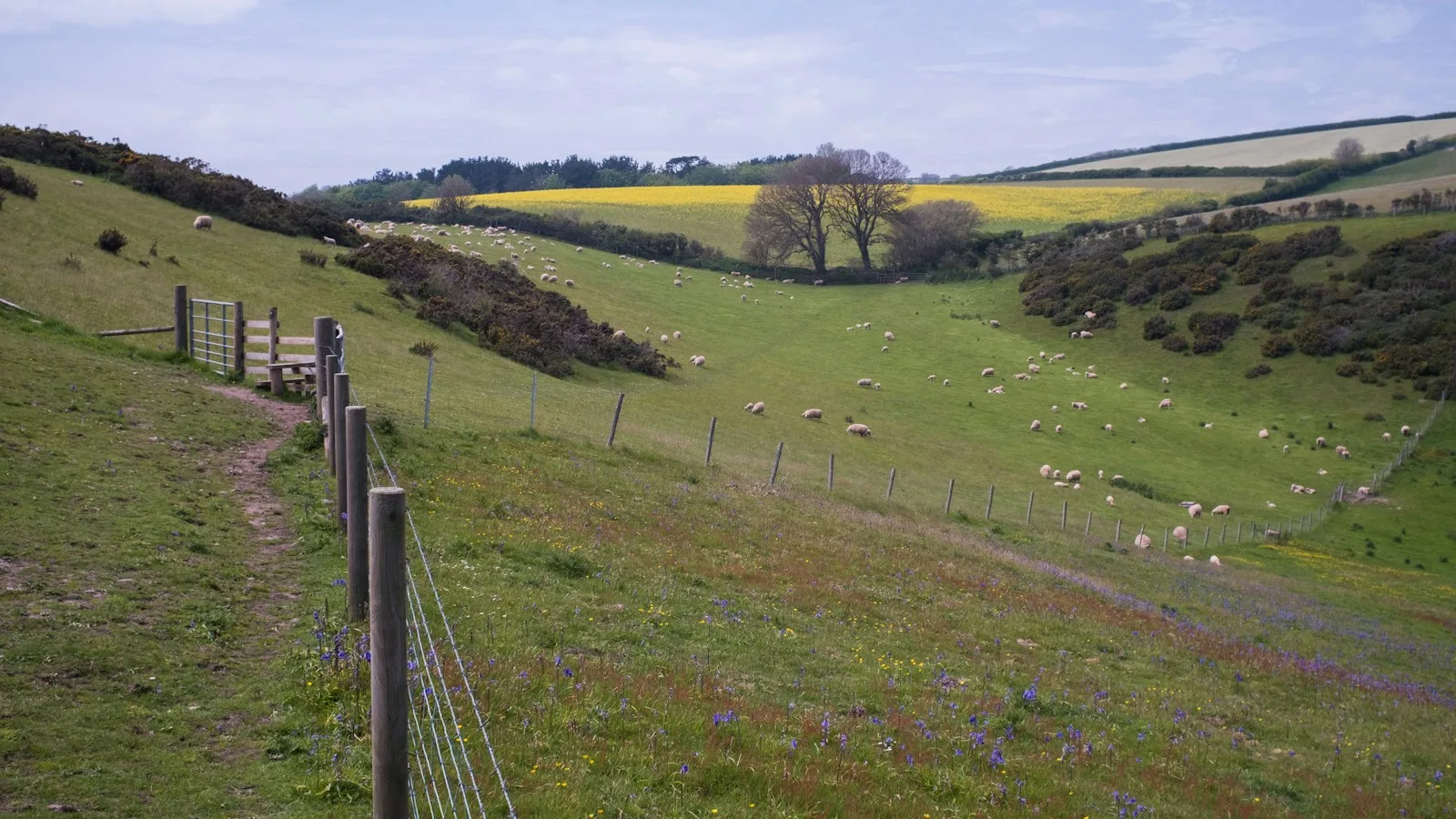
The countryside, parks and the coast are great places to exercise your dog, the Countryside Code says, but you need to consider other users and wildlife. Here's what the Code asks of dog owners around livestock, including the parts that are legal requirements rather than advice.
Quick answer: Keep your dog on a lead around livestock. The Countryside Code calls this good practice everywhere, and on Open Access land and at the coast it's a legal requirement. Between 1 March and 31 July your dog must be on a lead on Open Access land even if there's no livestock. A farmer can shoot a dog that is attacking or chasing livestock. If you feel threatened by livestock or horses, let your dog off the lead so you can both reach safety.
Key Takeaways
The Code says it's good practice to keep your dog on a lead around livestock wherever you are.
On Open Access land and at the coast, a lead around livestock is a legal requirement.
On Open Access land, dogs must be on a lead from 1 March to 31 July, livestock or not.
A farmer can shoot a dog that is attacking or chasing livestock, and may not have to compensate the owner.
If you feel threatened by livestock or horses, let your dog off the lead so you can both reach safety.
Keep your dog under effective control
The Countryside Code asks you to keep your dog under effective control, so that it stays away from wildlife, livestock, horses and other people unless invited. It says you should:
always keep your dog on a lead or in sight
be confident your dog will return on command
make sure your dog doesn't stray from the path or area where you have a right of access
When a lead is a legal requirement
The Code says it's good practice to keep your dog on a lead around livestock wherever you are. In two kinds of place, it goes further.
On Open Access land and at the coast, you must put your dog on a lead around livestock. And between 1 March and 31 July, you must have your dog on a lead on Open Access land even if there's no livestock on it. The Code is clear that these are legal requirements.
Local signs can add more rules. There are places where you must keep your dog on a lead for all or part of the year, and some areas ban dogs completely, except assistance dogs. Our guide to lead laws and PSPOs explains the council orders that can apply in towns and parks.
Why it matters so much near livestock
The Code warns that a farmer can shoot a dog that is attacking or chasing livestock, and may not be liable to compensate the dog's owner.
It also asks everyone to give wild animals, livestock and horses plenty of space. Their behaviour can be unpredictable, especially when they're with their young, and you could get hurt. Don't feed livestock, horses or wild animals, because it can cause them harm.
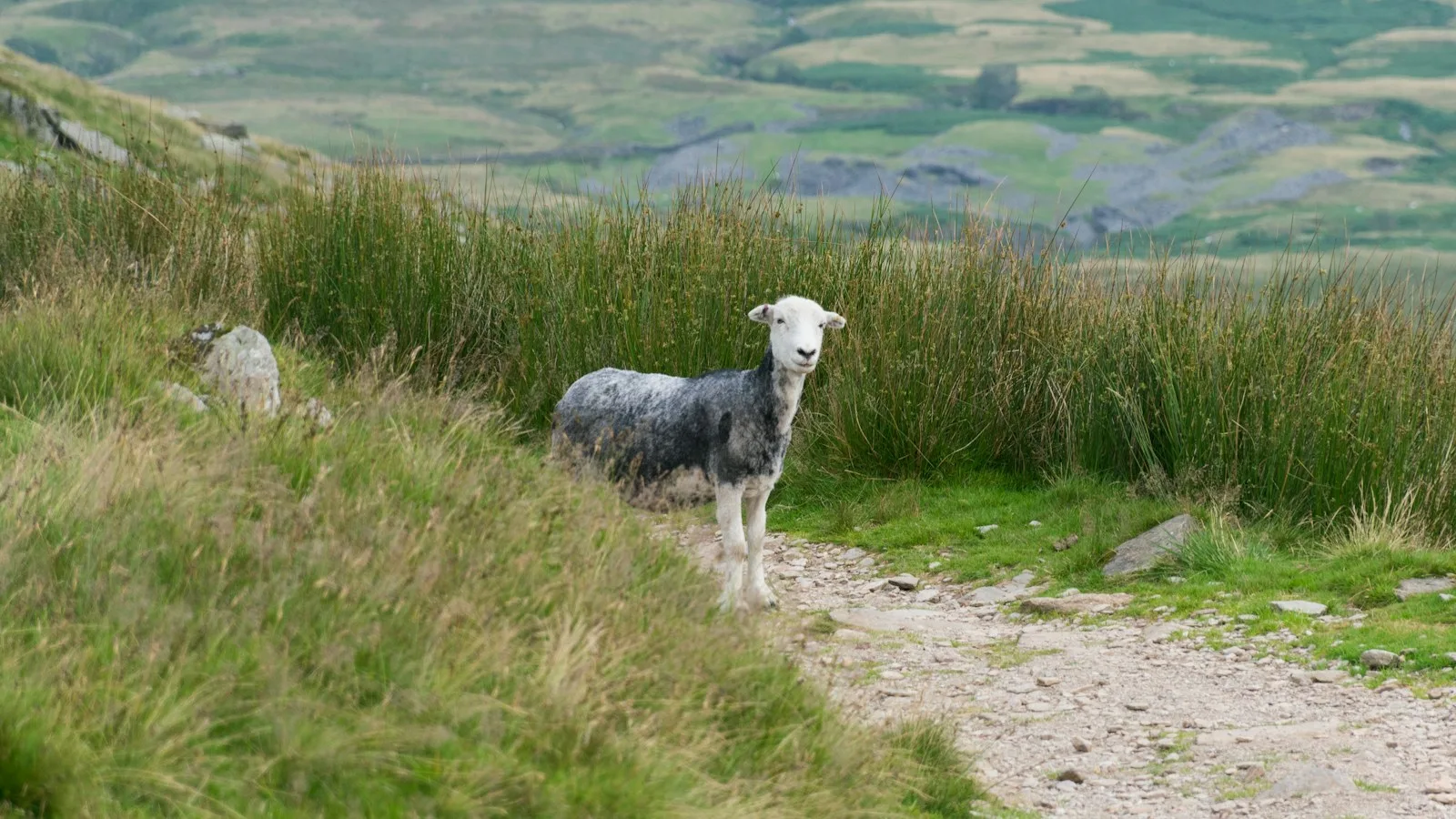
If you feel threatened by livestock or horses
The Code's advice is to let your dog off the lead if you feel threatened by livestock or horses. Don't risk getting hurt protecting your dog. Releasing your dog makes it easier for you both to reach safety.
Gates, paths and farm work
Leave gates and property as you find them, or follow the instructions on signs. Farmers close gates to keep animals in, or leave them open so animals can reach food and water. If you're in a group, the Code says to make sure the last person knows how to leave the gates.
Use gates, stiles or gaps in field boundaries where you can, because climbing over them can cause damage and put livestock at risk. If animals are being moved or gathered, follow the farmer's directions. And if you think a farm animal is in distress, try to let the farmer know.
Know the waymarks
The Code explains the signs that show who can use a route:
Sign | What it means |
|---|---|
Yellow arrow | Footpath, for walkers and mobility aid users |
Blue arrow | Bridleway, for walkers, mobility aid users, horse riders and cyclists |
Purple arrow | Restricted byway, for the above plus horse-drawn vehicles |
Red arrow | Byway open to all traffic, including motor vehicles |
Acorn | National Trail |
Brown symbol with a walker over hills | Open Access land, where you can explore away from paths |
Open Access land is where the 1 March to 31 July lead rule applies. The Code says it includes many areas of mountain, moorland, heath, down, coastal margin and registered common land.
Dog poo in the countryside
Always clean up after your dog, the Code says, because dog poo can cause illness in people, livestock and wildlife. Never leave bags of it around, even if you mean to pick them up later. If you can't find a public bin, take it home.
Before you set off
Check your route, the local conditions and the weather forecast before you go, and tell someone where you're going and when you expect to be back. The Code points out that in rural areas you may not see anyone for hours, and phone signal is unreliable in many places.
On a warm day, plan the timing too. Our guide to walking your dog in hot weather explains why early mornings and evenings are safer.
The legal rules every owner should know, from microchips to dangerous dogs, are in the dog owner's legal checklist.
Do dogs have to be on a lead in a field with sheep?
The Countryside Code says it's good practice to keep your dog on a lead around livestock wherever you are. On Open Access land and at the coast, it's a legal requirement.
When must dogs be on a lead on Open Access land?
Between 1 March and 31 July, even if there's no livestock on the land, and at any time of year around livestock.
Can a farmer shoot a dog for chasing sheep?
The Code says a farmer can shoot a dog that is attacking or chasing livestock, and that they may not be liable to compensate the dog's owner.
What should I do if cows come towards me and my dog?
The Code says to let your dog off the lead if you feel threatened by livestock or horses, and not to risk getting hurt protecting your dog. Releasing it makes it easier for you both to reach safety.