Owning a dog in the UK, explained
How to Read a Dog Food Label in the UK
13 November 2026
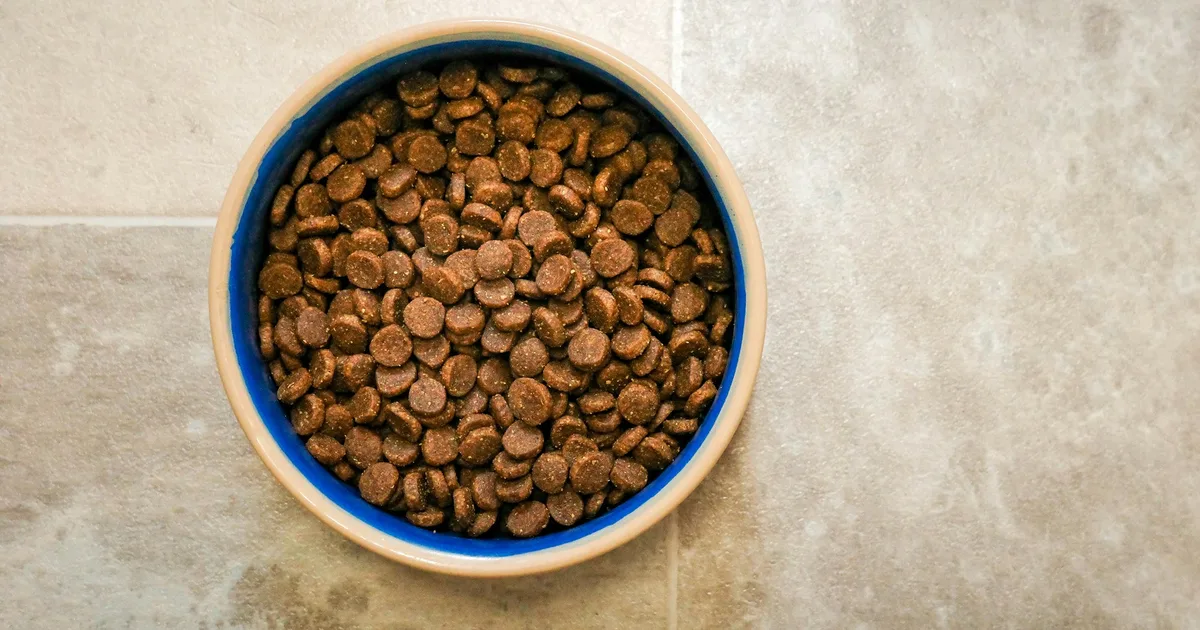
Knowing how to read a dog food label helps you compare foods properly instead of relying on the picture on the front. UK labels must carry a set of required information, including whether the food is complete or complementary, the ingredients in order of weight, the analytical constituents and feeding instructions.
Quick answer: Check whether the food is complete (designed to be fed on its own) or complementary (fed alongside other food). Read the ingredients, which are listed in descending order by weight, then the analytical constituents and the feeding guide. If an ingredient is highlighted, such as "with chicken", its percentage must be shown.
Key Takeaways
A complete food is designed to provide the daily ration on its own; a complementary food isn't.
Ingredients are listed in descending order by weight.
Analytical constituents show crude protein, fats and oils, fibre, ash and, where relevant, moisture.
If a label emphasises an ingredient, its percentage must be listed.
Use the feeding guide as a starting point and adjust with your vet's advice.
Why the Label Matters
The front of the pack is marketing. The back is where the required information sits. UK pet food labelling follows the law on the marketing of animal feed, and the trade body UK Pet Food publishes a labelling factsheet that explains what must appear. Learning to read it takes a few minutes and makes every comparison easier.
Complete or Complementary?
This is the most important line on the pack. A complete food is designed to be sufficient for your dog's daily ration on its own. A complementary food, such as many treats, toppers and some wet foods, is only meant to be fed alongside other food. If you feed a complementary product as your dog's only food, they may not get everything they need.
This matters when you travel too. If you're taking your dog to the EU, pack enough of their usual complete food so you aren't relying on unfamiliar products abroad.
Reading the Ingredients List
Ingredients must be listed in descending order by weight, so the first few make up most of the recipe. Keep in mind that fresh meat contains a lot of water, which affects where it appears on the list compared with dried ingredients.
Some labels name each ingredient, while others use category names such as "meat and animal derivatives". Both are allowed. If you want to know exactly what's in a food, named ingredients give you more detail. You might also like our guide on dog lead laws and pspos.
Highlighted Ingredients
UK Pet Food's factsheet says that when a label gives an ingredient special emphasis, such as "with chicken", the percentage of that ingredient must also be listed. Look for that figure rather than judging by the name on the front.
Analytical Constituents
This section shows the levels of key nutrients, not the ingredients themselves. According to UK Pet Food, the label must list crude protein, crude oils and fats, crude fibre and crude ash, plus moisture when it exceeds 14%. "Crude" refers to the testing method, not the quality of the food.
Comparing wet and dry food on these numbers can mislead, because wet food contains much more water. To compare fairly, ask the manufacturer for figures on a dry matter basis, or ask your vet to help.
Feeding Guide and Other Information
Feeding instructions, usually by your dog's weight
The species or life stage the food is meant for, such as puppy or adult
Additives, such as vitamins, preservatives or colourants, where declared
The best before date and batch number
The name and address of the business responsible for the label
Treat the feeding guide as a starting point. Dogs vary, and activity, age and health all change how much they need. Your vet can help you judge whether your dog is a healthy weight. Weather affects activity too, so keep an eye on appetite and water intake, as covered in our guide to walking your dog in hot weather.
Putting It Together: How to Read a Dog Food Label to Compare Foods
When you compare two foods, check they're both complete and suit your dog's life stage, then compare the first few ingredients, the analytical constituents and the daily feeding amount. A food that needs a bigger daily portion may cost more over a month even if the bag is cheaper. Once you know what the label means, comparing ranges of dog food online at a retailer such as My Pet Warehouse UK becomes much quicker.
Frequently Asked Questions
What does complete dog food mean?
A complete food is designed to be sufficient for your dog's daily ration when fed on its own. A complementary food must be fed alongside other food.
Why are ingredients listed in a particular order?
The law requires ingredients to be listed in descending order by weight, so the first ingredients make up the largest share of the recipe.
What are analytical constituents on dog food?
They show the levels of crude protein, crude oils and fats, crude fibre and crude ash, plus moisture when it's above 14%. "Crude" describes the testing method.
How much should I feed my dog?
Start with the feeding guide on the pack, then adjust based on your dog's weight, age and activity. Ask your vet if you're unsure.
Does Dog Days UK provide dog food?
No. Dog Days UK is an independent guide. It explains what to check, but it doesn't provide dog food, take bookings or endorse individual firms.
To read the rules in plain terms, see UK Pet Food's labelling factsheet (ukpetfood.org).
Your next step is to pick up your dog's current food, find the words complete or complementary, and read the first five ingredients.